
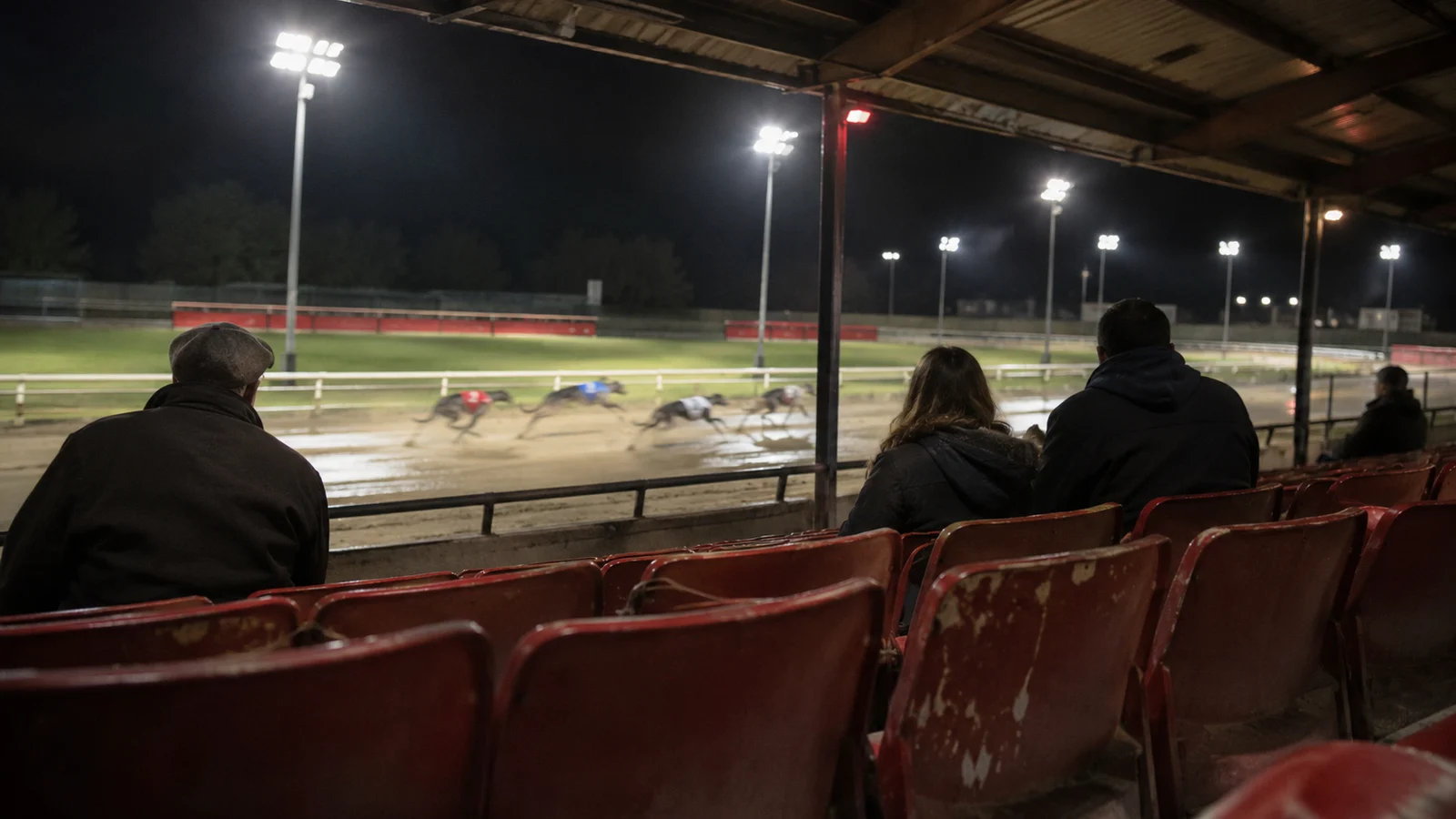
Six figures on a results line can tell you who won, the time and the distance between the first two home. They cannot tell you why the race mattered.
They do not show the owner who travelled across the country for a first open-race finalist, the kennel hand who knew a quiet week had put a nervous dog right or the moment a beaten greyhound found the courage to take a gap that had closed on it twice before.
That is where proper greyhound journalism begins: with the result, then beyond it.
Accuracy before allegiance
The sport needs writers who know it. Specialist knowledge allows a reporter to recognise the significance of a split time, understand why a seeded runner has been drawn where it has and avoid describing routine race movement as something remarkable.
Knowledge, however, is not a substitute for independence.
A publication can care about the future of greyhound racing and still ask whether a decision was explained properly. It can celebrate an outstanding performance while reporting a welfare concern without euphemism. It can give a trainer room to answer criticism without turning the article into publicity.
The reader should always be able to tell the difference between a verified fact, a participant's opinion and the writer's analysis.
Put people into the report
The strongest greyhound coverage has always understood that the sport is carried by characters as much as champions.
Floyd Amphlett's long-form work for Greyhound Star often finds its energy in the people around the racing: the argument at a track, the dry aside, the owner with a story and the detail that could only come from listening. Jonathan Hobbs brings a different tempo to major-race reporting, moving quickly between the clock, the draw, the wider competition and the emotion of connections. Paul Brown's Racing Post news work is leaner again, leading with the development and allowing well-chosen quotations to do the explanatory work.
We will not mimic any of those voices. The lesson is broader. A specialist article becomes more trustworthy when it contains precise sporting detail and recognisable human life.
Explain the race, not merely the order home
A reader who missed the action should be able to understand its shape.
Who broke? Which runner owned the line to the bend? Where did the crowding occur? Did the leader tire, or did the winner produce a stronger run home? Was the time exceptional in the conditions, or simply the fastest number on the page?
This does not require a paragraph for every dog. It requires judgement. A concise race report chooses the details that changed the outcome and leaves out those that did not.
The same principle applies before a race. A preview should identify the tension in the draw rather than list six recent runs. If two railers want the same ground, say so. If a wide seed has room to build momentum, explain why. If the evidence is mixed, uncertainty is part of the analysis, not a flaw to conceal.
Welfare reporting needs the same rigour
Welfare is not a side issue to be acknowledged in a closing sentence. It is part of the sport's daily operation and public legitimacy.
Good reporting avoids two failures. The first is defensive language that treats every question as an attack. The second is a conclusion written before the evidence has been examined. Injury data, veterinary policy, kennel standards, rehoming and track preparation deserve the same care with definitions, dates and sources as a race result.
Where evidence is incomplete, the article should say so. Where a claim comes from a governing body, campaign group, operator or participant, the reader should know who made it.
Memory is part of the job
This sport has lost tracks, newspapers and people who held an extraordinary amount of its history in their heads. An archive is not nostalgia for its own sake. It helps a modern reader understand why a competition matters, why a closure hurts and why an old name still changes the mood of a conversation.
Independent coverage should preserve those connections while the people who lived them can still explain what happened.
The Greyhound Nation standard
Our news will use clear headlines, direct openings and enough background to make a story useful after the day it was published. Sources will be recorded internally. Corrections will be visible. Comment and analysis will be labelled by the way they are written, not smuggled into a news report as fact.
Most of all, the copy should sound as though it was written by someone interested in the answer.
Greyhound racing does not need more noise. It needs reporting that notices the dog, understands the race and remembers the people standing behind both.
 Irish St Leger final joins GRI's YouTube pilot
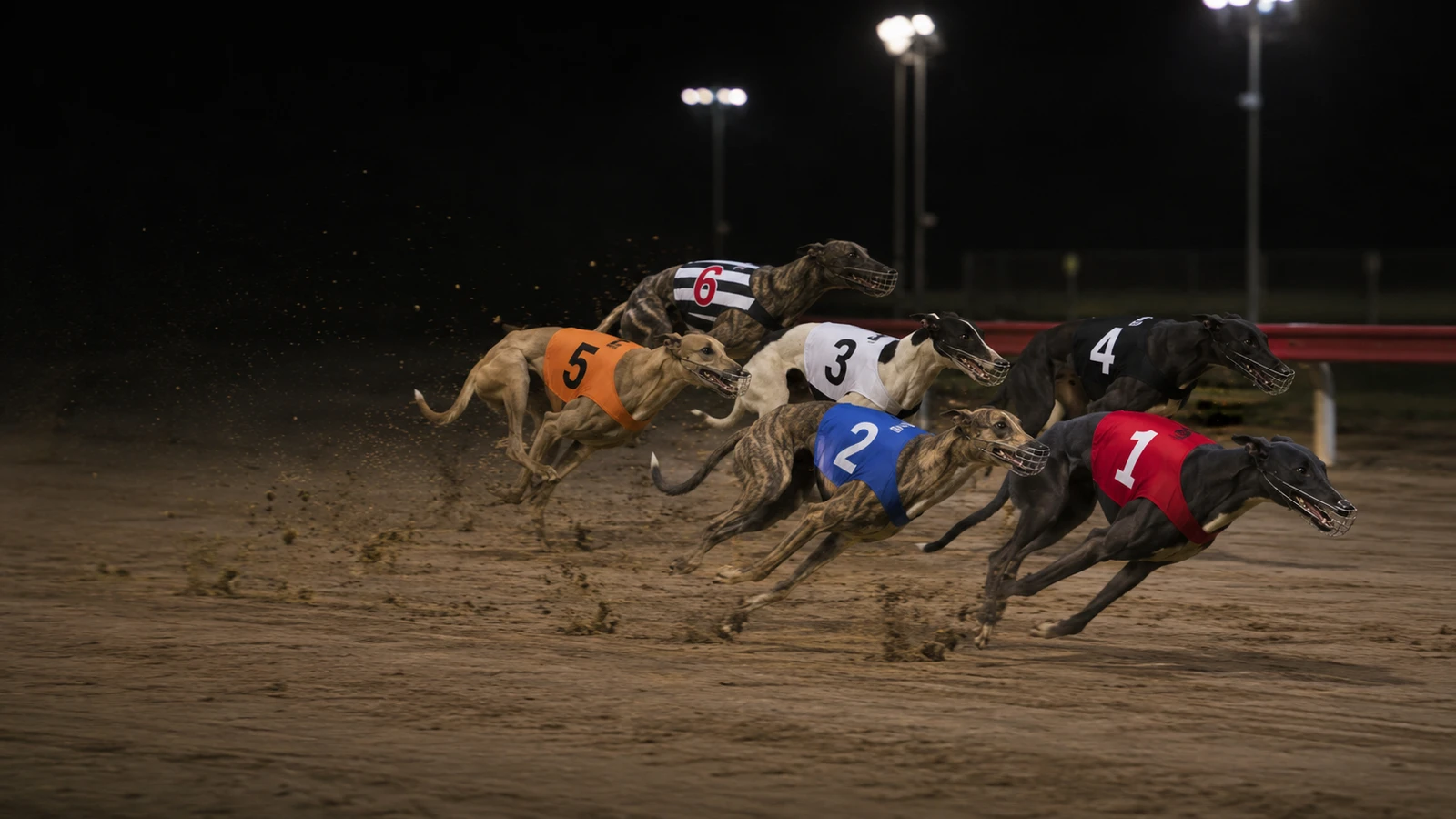 Droopys Plunge wins Hove's Gold Collar
 Ballymac Deniro breaks Limerick record in St Leger