
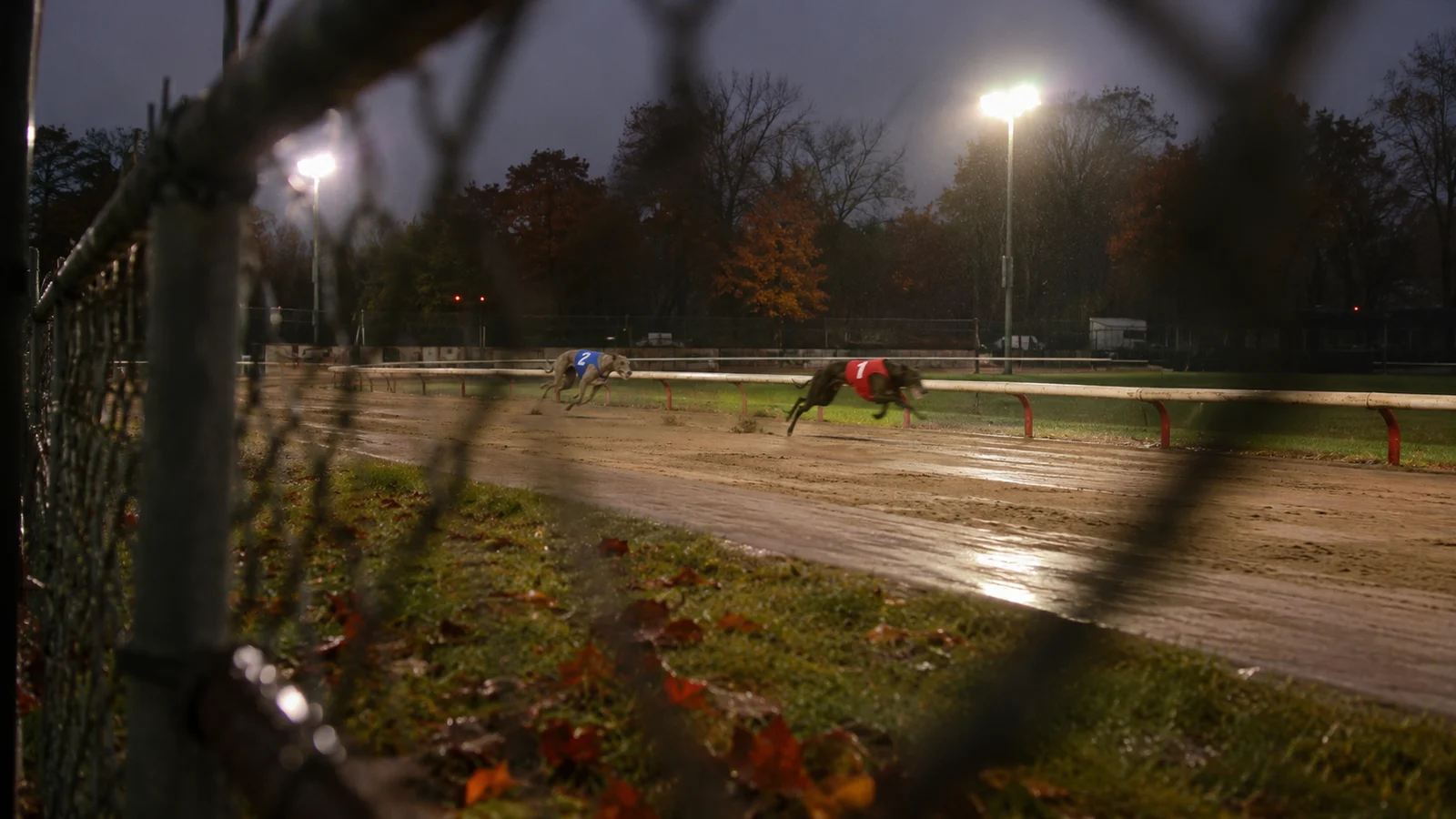
A greyhound racecard looks compact because it has to be. Dates, traps, grades, sectionals, remarks and finishing positions are squeezed into a few lines, leaving the reader to decide which details matter and which belong to a different race entirely.
The mistake is to begin with the fastest time on the page.
Start with the race in front of you.
1. Fix the conditions of today's race
Before comparing the runners, note the track, distance and grade. A performance over another trip or at another venue can still be relevant, but it is not automatically comparable.
Ask four basic questions:
- Is this a sprint, standard trip or staying race?
- Is the greyhound moving up, down or staying in grade?
- Has it raced at this track and distance recently?
- Does today's draw suit its officially recorded seeding and running line?
This creates the frame for everything that follows. A strong run in an easier grade may say less than a troubled defeat against better opposition. A fast sprint sectional does not prove that the same greyhound will conserve enough energy over a longer trip.
2. Read the recent runs as a sequence
One line of form is an event; several lines can become evidence. Look first for repetition. Has the greyhound broken well more than once, or is it regularly crowded at the same part of the track? Does it finish strongly when it gets a clear run? Are its better performances associated with one trap range, grade or distance?
The aim is not to build a story that explains every result. It is to find a pattern that could reasonably matter today.
A recent win can be misleading if the leader was handed the rail and faced no pressure. A fourth place can be encouraging if the greyhound recovered from early trouble and closed through the field. Finishing position is the outcome. Form analysis is the attempt to understand how it was reached.
3. Use sectional times to locate early pace
A sectional time records an early portion of the race, commonly to a point around the first part of the circuit. It helps show how quickly a greyhound reached that marker.
The lower figure is faster, but the comparison needs discipline: use sectionals from the same track and distance where possible. Check whether the timing point and race conditions are comparable. A greyhound with repeated fast sectionals has demonstrated early pace; one isolated split may reflect an exceptional break or a different set of circumstances.
Sectionals are especially useful when considering the run to the first bend. If two adjacent runners both rely on sharp early speed and want similar ground, the contest between them may shape the whole race. If one runner consistently clears that pressure, its early figure has practical meaning.
Do not turn a sectional into a complete rating. It tells you something important about the start of the race, not everything about the finish.
4. Understand railers, middle seeds and wide runners
Under the GBGB rules, a wide runner is a greyhound considered best suited to starting outside runners that are not classified wide. A middle runner is placed inside the wide seeds and outside the railers. A runner without an M or W classification is treated as a railer.
The letter is not decoration. It tells you where the greyhound is expected to race most naturally.
Now look at the dogs on either side. A railer drawn outside another runner that moves in may face early pressure. A wide seed can benefit from room, but it can also cover more ground if it fails to clear the field. Two runners may each have a reasonable individual draw while creating a difficult combination together.
The draw should be analysed as a group, not six separate trap numbers.
5. Treat race comments as clues
Short comments such as crowded, checked, baulked, slow away or led early explain part of a previous run. They are useful, but they are not a complete replay.
Repeated trouble may reveal an unlucky greyhound. It may also reveal a running style that keeps creating the same problem. A runner that repeatedly searches for the rail from an unsuitable position has not merely suffered a series of unrelated accidents.
When a comment appears important, watch the replay if one is available. Note where the incident happened, whether the greyhound had already spent energy reaching that position and how it responded afterwards.
6. Compare times only after adding context
Winning and calculated times are central to form, but raw numbers can flatter.
Track, distance, going allowance, grade, race shape and trouble all affect the meaning of a time. Compare like with like, then ask whether the performance is repeatable under today's conditions.
A personal best is evidence that a greyhound can run to that level. It is not proof that it will do so again. Recent consistency may be more useful than one peak figure achieved in a perfect race.
7. Separate the dog's ability from today's race
The best greyhound in a field does not always have the best chance in the particular contest.
Ability is only one part of the assessment. The draw, early pace around it, distance, fitness, experience and likely path through the race determine how easily that ability can be used.
This is why a racecard should be read twice. The first pass assesses each runner. The second builds the race.
On that second pass, imagine the opening seconds without forcing a single outcome. Which runners can lead, and which want the rail? Consider where the first contact could occur and who might benefit if the early leaders compromise one another. Which runner needs everything to happen in one precise order?
8. Use the market last
Price is not proof; it is the market's collective judgement at a particular moment and it can change as new money arrives.
Complete the form assessment before looking for a bet. Then compare your view with the available price. A likely winner can still be a poor bet if the price offers too little for the uncertainty involved. A larger price does not create value by itself.
There is no obligation to bet. Passing a race is a valid conclusion.
A worked illustration
Suppose Runner A has the fastest recent time but recorded it after leading alone from an ideal draw. Runner B has slightly slower figures, repeated strong sectionals and now has room inside a wide seed. Runner C finishes strongly but has been slow away in three consecutive races over the same trip.
The card does not provide one automatic answer.
Runner A has the peak figure. Runner B may have the most repeatable route to a lead. Runner C could benefit if the front two contest the early pace, but its own start may leave too much to recover.
The useful analysis is not a ranking copied from the fastest-time column. It is an account of how each piece of evidence could affect today's race.
Keep a record of the judgement
Write down the reason before the traps open, then review that reasoning separately from the result once the race has been run.
A sound reading can lose because racing contains uncertainty, just as a poor reading can win when the race falls kindly. Over time, the written record shows whether the same mistakes are being repeated.
That is the real purpose of learning to read form: not to make greyhound racing predictable, but to make your decisions more honest, more consistent and better informed.
 Greyhound sectional times explained
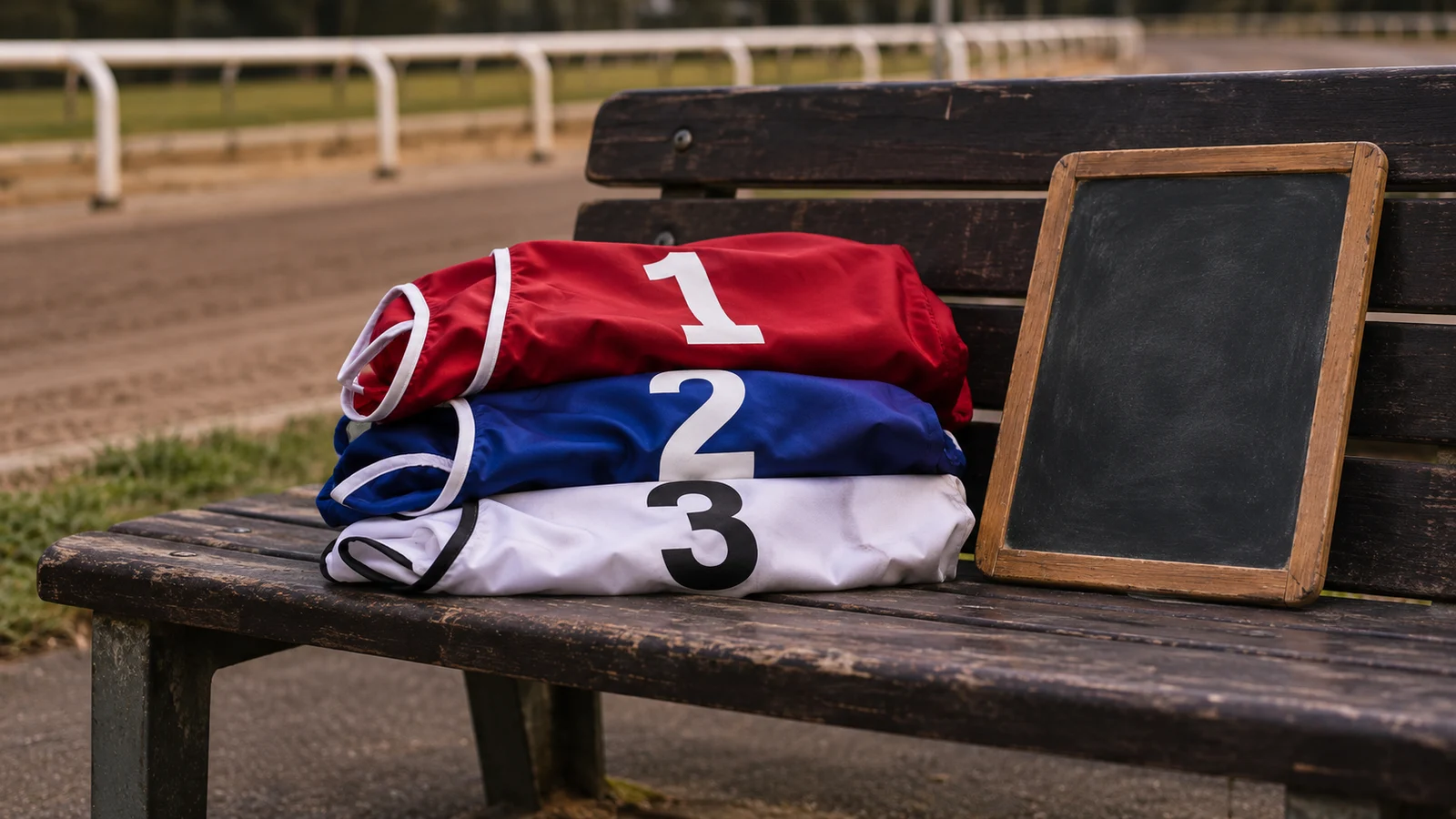 Greyhound racing grades explained
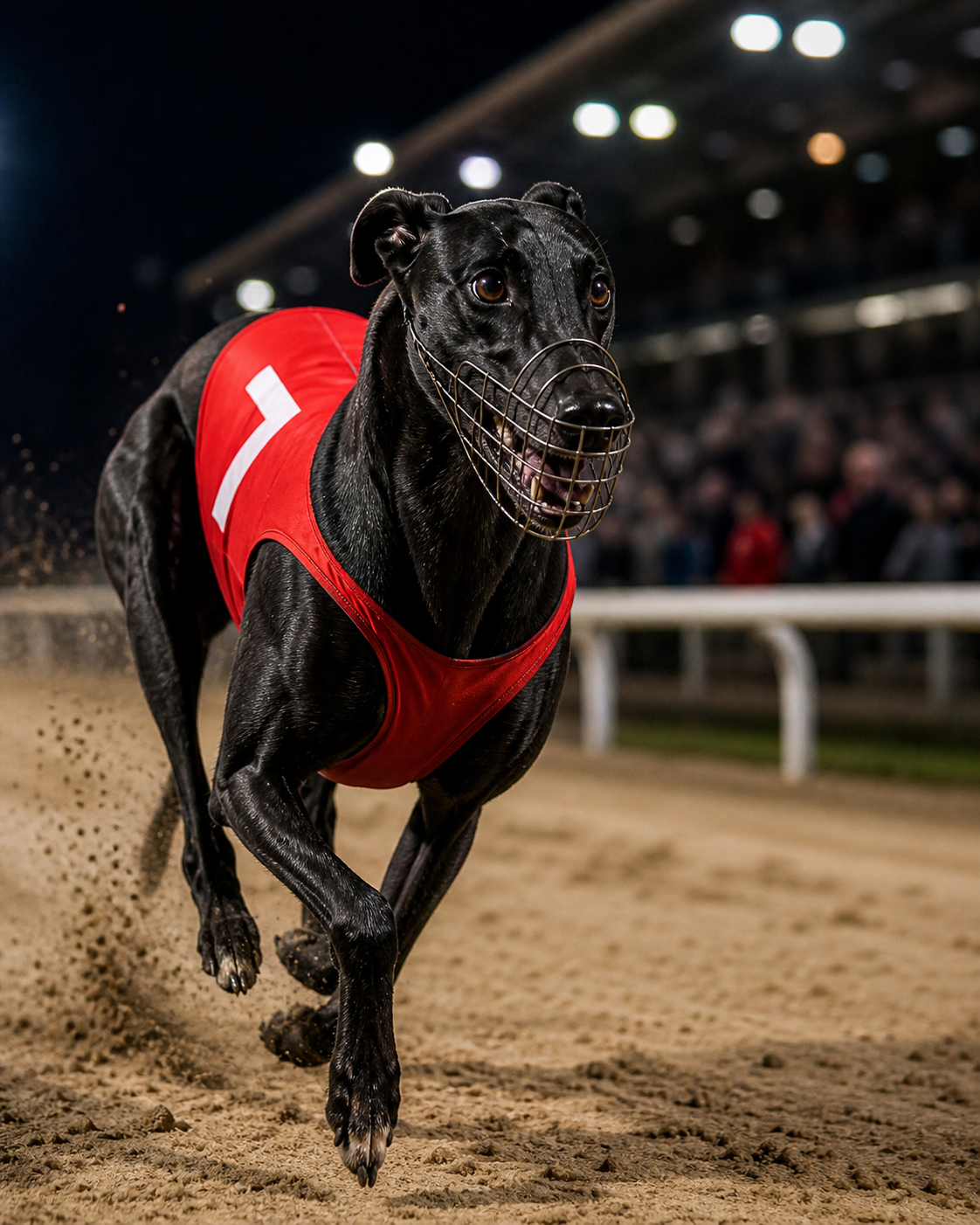 How greyhound racing works: a beginner's guide